Iran Shares Two-Day Strait of Hormuz Reopening Plan With Pakistan and Qatar
ISLAMABAD: Iran has presented a revised two-day proposal to reopen the strategically important Strait of Hormuz, sharing the plan with Pakistani and Qatari mediators as diplomatic efforts continue to ease tensions with the United States.
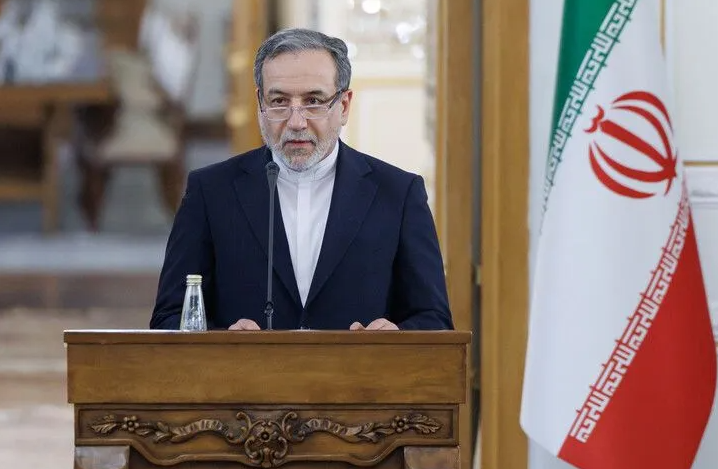
Iranian Foreign Minister Abbas Araghchi said the proposal was developed following extensive discussions with representatives from Pakistan and Qatar, who have been working to find a diplomatic solution to the ongoing conflict.
Speaking to Al Jazeera on Sunday, Araghchi explained that the latest arrangement builds on Iran’s earlier seven-day proposal, which outlined Tehran’s conditions for restoring normal shipping operations through the vital waterway.
Under the revised framework, the United States would implement a series of agreed measures on the first day. The second day would then see the Strait of Hormuz reopened, allowing maritime traffic to return to normal operations.
Araghchi described the revised arrangement as an outcome of discussions involving Pakistani and Qatari representatives, who had suggested changes intended to make Iran’s original proposal more acceptable and practical.
Pakistan and Qatar Continue Diplomatic Efforts
The development comes as regional and international diplomatic efforts intensify to prevent another escalation between Washington and Tehran.
Qatari representatives reportedly travelled to Tehran on Friday as part of the mediation process. Meanwhile, US Vice President JD Vance sent a letter to Iran’s security chief, Mohsen Rezaei.
Rezaei confirmed receiving the communication but said he had not yet sent a response. He also suggested that the tone of Washington’s message had changed, describing this as a potentially positive development.
However, Iran has maintained that it will not lift restrictions on the Strait of Hormuz until its demands are addressed. These conditions reportedly include the release of Iranian assets frozen abroad.
Pakistan and Qatar have played an important role in facilitating communication between the two sides, although their diplomatic efforts have yet to produce a comprehensive and lasting agreement.
Strait of Hormuz Remains Critical to Global Energy Supplies
The Strait of Hormuz is among the world’s most important maritime routes, connecting the Persian Gulf with international shipping lanes through the Gulf of Oman.
Approximately one-fifth of global oil supplies and a substantial share of liquefied natural gas shipments pass through this narrow waterway.
Any prolonged disruption to shipping in the region can have significant consequences for international energy markets, trade and global supply chains.
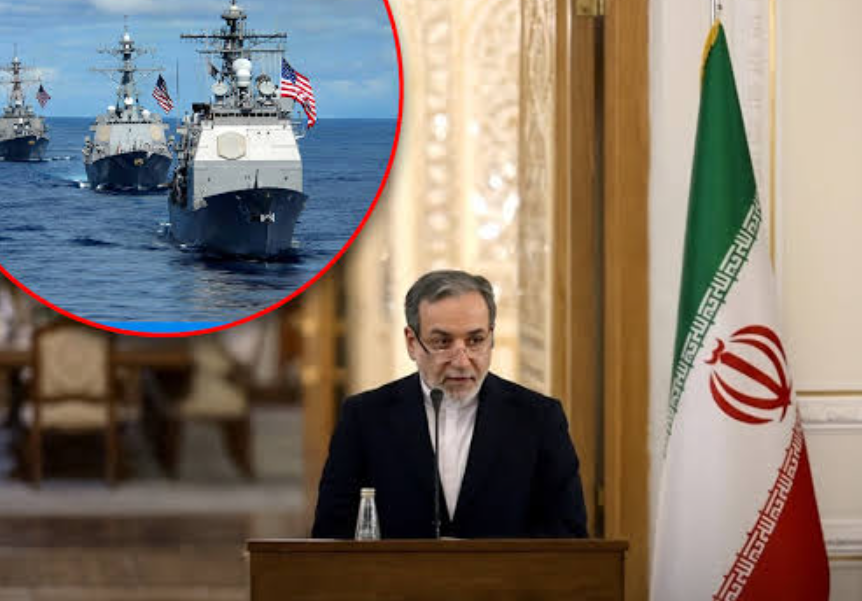
Iran has maintained restrictions on the passage since the conflict with the United States began, while Washington has also continued its counter-blockade targeting Iranian ports.
Washington and Tehran Exchange Warnings
Despite the latest diplomatic developments, tensions between the two countries remain high.
US President Donald Trump said on Saturday that American forces had significantly weakened Iran’s military capabilities, although he indicated that further targets remained.
Trump also described ongoing negotiations as progressing, while expressing doubts about Tehran’s reliability.
Iran’s Supreme Leader Mojtaba Khamenei, meanwhile, warned Washington and Israel against launching another military offensive. He reportedly instructed senior military commanders to prepare for a response to any new threats or attacks.
The latest exchange of statements highlights the fragile nature of the situation, even as diplomatic channels remain active.
For now, Iran’s two-day proposal represents a potential opening for negotiations. Whether the United States will accept the suggested arrangements and whether the plan can restore normal shipping through the Strait of Hormuz remain key questions for regional and international observers.
Editorial note: This is a rewritten version based on the supplied Arab News report, not independently confirmed reporting. Retain attribution to the original reporting where appropriate, and verify developments before publication because this is a rapidly evolving international story.
Source: Arab News – Iran shares two-day Hormuz reopening plan with Qatari and Pakistani mediators