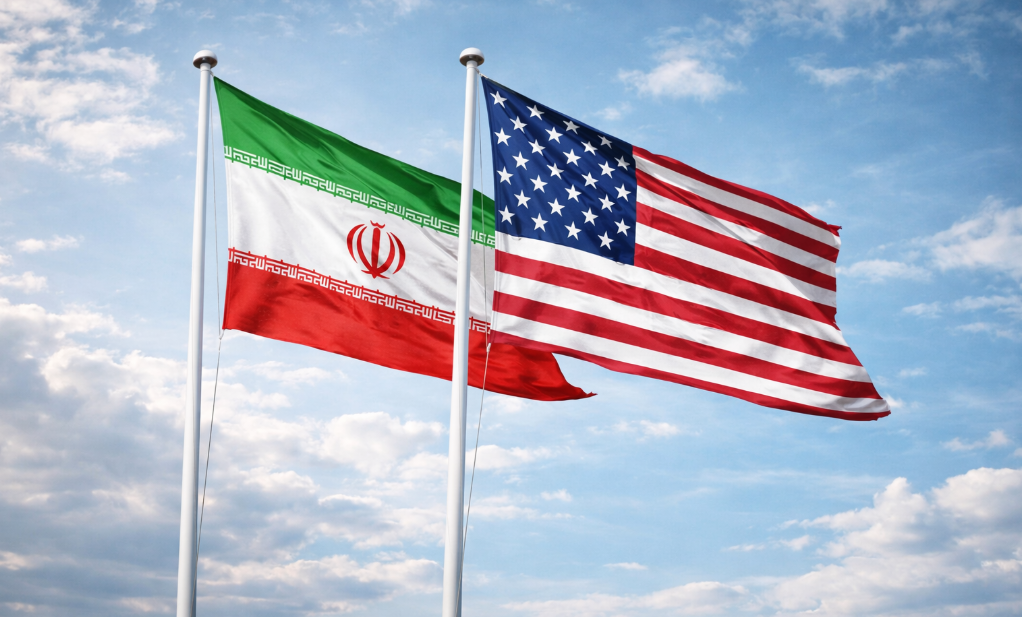
The Middle East is facing another period of uncertainty as tensions between Washington and Tehran continue to disrupt diplomatic efforts and raise fears of a wider regional confrontation.
With the conflict entering its eighth month, the possibility of a lasting ceasefire remains uncertain. Both governments face growing pressure to find a political solution, but disagreements over sanctions, nuclear activities and regional security continue to complicate negotiations.
The latest diplomatic developments have also placed neighbouring countries at the centre of efforts to prevent further instability.
Diplomatic Efforts Face a Major Test
Several regional governments are attempting to bring the United States and Iran closer to an agreement. Qatar has emerged as an important communication channel, while Pakistan has increased its diplomatic engagement with Iranian officials.
Pakistan’s military leadership has expressed cautious optimism following recent high-level meetings in Tehran involving Saudi and Turkish representatives.
However, diplomatic progress remains fragile. Negotiators must overcome substantial differences before any comprehensive agreement can be reached.
One of the biggest challenges is determining which side should make the first concession. Washington wants Iran’s nuclear programme addressed as a central part of negotiations, while Tehran is demanding action on sanctions and restrictions affecting its economy.
Economic Pressure Adds to Tehran’s Challenges
Iran’s economic situation remains an important factor in the confrontation.
US sanctions have placed considerable pressure on the country’s financial and energy sectors, restricting its ability to generate revenue through international trade.
Washington has continued to use economic restrictions as a tool to influence Tehran’s decisions. The strategy is intended to increase pressure on Iranian authorities without necessarily launching another major military operation.
For Iran, however, lifting sanctions is a central requirement for any meaningful diplomatic settlement.
The disagreement over economic restrictions demonstrates that the dispute extends beyond military security. It also involves international trade, financial access and control over energy resources.
Gulf States Concerned About Another Escalation
Countries across the Gulf have strong reasons to avoid another round of fighting.
The region remains strategically important for international energy markets, particularly because of the Strait of Hormuz, one of the world’s most important maritime routes.
Any disruption to commercial shipping could affect oil transportation, increase energy prices and create uncertainty for international businesses.
Gulf governments are therefore balancing their security relationships with Washington against the need to maintain regional stability.
Another major confrontation could also increase pressure on regional infrastructure and commercial operations.
Why Washington and Tehran Struggle to Reach an Agreement
The lack of trust between the two governments remains a central obstacle.
Previous diplomatic initiatives have failed to prevent military confrontation, leaving Iranian officials sceptical about the possibility of a reliable agreement.
Washington, meanwhile, wants assurances that any settlement will address its concerns about Iran’s nuclear programme and regional activities.
The two governments also face domestic political considerations that could influence their willingness to compromise.
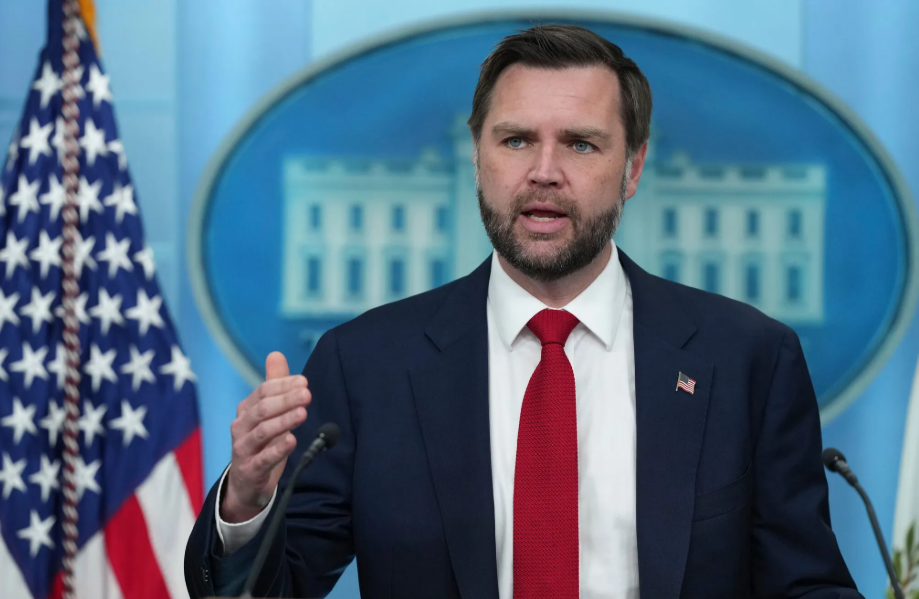
Vice President JD Vance’s reported effort to establish direct discussions with Iranian security officials suggests that diplomatic channels remain active. However, the initiative’s success will depend on whether both sides are prepared to make practical concessions.
What Happens Next?
The coming weeks could determine whether the region moves towards renewed negotiations or another period of military escalation.
The November 3 US midterm elections are also attracting attention because political developments in Washington could influence the administration’s next decisions.
For regional governments, preventing another conflict remains a priority. For international markets, the main concern is whether tensions will threaten energy supplies and shipping routes.
Despite the continuing diplomatic activity, a permanent settlement remains far from certain.
The future of US-Iran relations will depend not only on negotiations between the two governments but also on whether regional mediators can help establish enough trust to prevent another breakdown.
For now, the Middle East remains caught between the possibility of diplomatic progress and the risks of renewed confrontation.
Sources / References
- Al Jazeera – US weighs new Iran strikes as Vance reaches out: Is war or a deal closer? (October 30, 2026).
- Reuters – Vance outreach to Iran related to medical supplies, says Trump (October 29, 2026).
- Le Monde – Iran braces for possible new conflict with US and Israel despite diplomatic talks (October 30, 2026).
- The Washington Post – Persian Gulf scrambling to prevent Iran war from again hitting its doorstep (October 31, 2026).
- Al Jazeera – Can mediators broker a truce between the US and Iran?
Source note: This article is independently written using the above reports for factual background. It is not an original investigation or an independently verified account. Attribute reported claims to their respective publishers.