
Lahore Air Pollution Turns Hazardous as AQI Surges Above 530
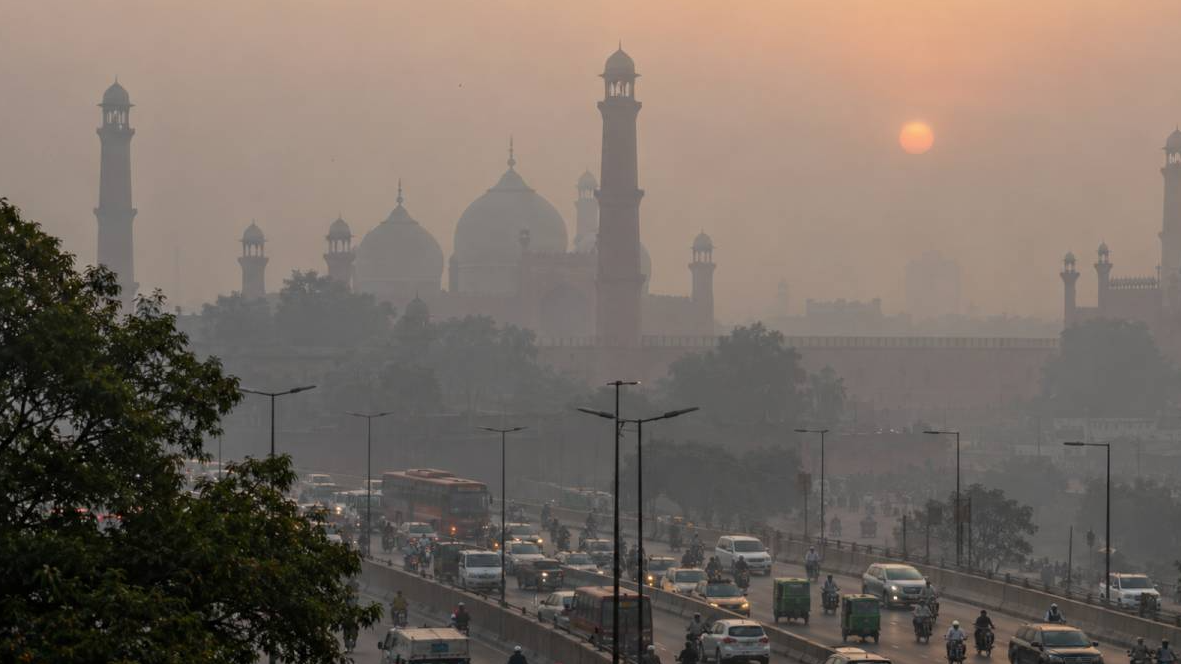
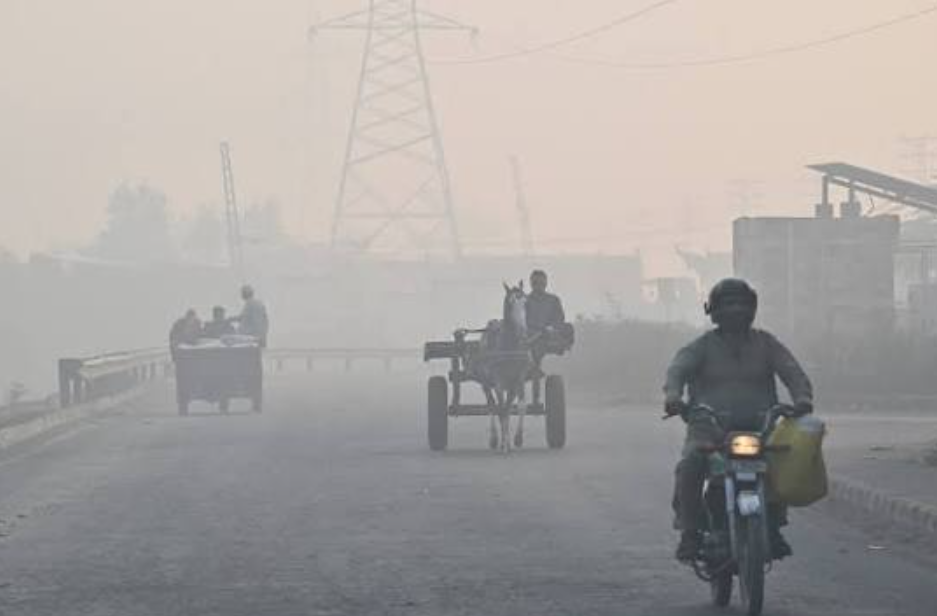
LAHORE: Air pollution in Lahore has reached alarming levels, with the city’s Air Quality Index (AQI) climbing above 530 on Monday morning, placing it in the hazardous category and raising serious concerns about public health.
According to data from international air quality monitoring platform IQAir, Lahore recorded an AQI of 535 at 8am on November 2. At the same time, concentrations of fine particulate matter (PM2.5) reached 343 micrograms per cubic metre.
PM2.5 particles are particularly dangerous because of their extremely small size, allowing them to travel deep into the respiratory system and potentially enter the bloodstream.
The latest readings indicate a significant deterioration in Lahore’s air quality as winter approaches and pollution levels increase across Punjab.
Several Punjab Cities Face Severe Air Pollution
The pollution crisis is not limited to Lahore. Multiple cities across Punjab have also recorded extremely poor air quality, according to IQAir’s monitoring data.
Gujranwala emerged as the most polluted city in the country’s latest ranking, recording an AQI of 606. Lahore followed with a reading of 509 in the same city ranking, while Faisalabad and Multan both registered 310.
Sialkot recorded an AQI of 260, while Peshawar ranked sixth nationally with a reading of 216.
These figures highlight the growing geographical spread of hazardous air pollution and the challenges facing environmental authorities.
Questions Raised Over Lahore’s Air Quality Improvement
The latest deterioration comes after government claims that Lahore experienced its cleanest October in five years.
However, an assessment by the Pakistan Air Quality Initiative (PAQI) has raised questions about how much of the reported improvement resulted from environmental policies and enforcement measures.
PAQI data showed that average PM2.5 concentrations across 26 monitoring locations declined by 27 per cent in October 2026 compared with the same month last year.
However, after adjusting for weather conditions, the estimated improvement was only around four per cent.
The findings suggest that favourable weather played a substantial role in reducing pollution levels during October, rather than improvements being entirely attributable to government interventions.
Despite the reduction, PM2.5 concentrations remained above Pakistan’s prescribed daily limit throughout the month, according to the analysis.
Air pollution statistics table
This table can be inserted into the article to improve readability and provide readers with a quick overview.
| City | Reported AQI | Pollution status |
|---|---|---|
| Gujranwala | 606 | Hazardous |
| Lahore | 509 | Hazardous |
| Faisalabad | 310 | Hazardous |
| Multan | 310 | Hazardous |
| Sialkot | 260 | Very unhealthy |
| Peshawar | 216 | Very unhealthy |
Source: IQAir city ranking reported by Dawn on November 2, 2026. AQI readings can change throughout the day. Lahore separately recorded 535 at 8am.
Key pollution figures
| Indicator | Reported figure |
|---|---|
| Lahore AQI at 8am | 535 |
| Lahore PM2.5 concentration | 343 µg/m³ |
| October PM2.5 reduction year-on-year | 27% |
| Weather-adjusted improvement | Approximately 4% |
| Monitoring locations assessed by PAQI | 26 |
| Days October PM2.5 exceeded national daily limits | 30 |
Why Lahore’s Smog Problem Remains Serious
Air pollution in Lahore is influenced by several factors, including vehicle emissions, industrial smoke, agricultural residue burning and construction dust.
Weather conditions can make the situation worse. Weak winds and atmospheric inversions can prevent polluted air from dispersing, allowing harmful particles to accumulate near ground level.
As temperatures fall, these conditions can contribute to the formation and persistence of dense smog across Lahore and surrounding districts.
Agricultural burning in Punjab’s rural areas also remains an important environmental concern, as smoke can travel across considerable distances and add to the pollution burden in urban centres.
Health Risks Increase as Pollution Levels Rise
Prolonged exposure to hazardous air can affect people of all ages, particularly children, older adults and individuals with existing respiratory or cardiovascular conditions.
High concentrations of PM2.5 are associated with breathing difficulties, irritation of the eyes and throat, and increased risks to heart and lung health.
Residents are advised to reduce unnecessary outdoor activities during periods of severe pollution, avoid strenuous exercise outdoors and use properly fitted particulate-filtering masks when outdoor exposure cannot be avoided.
Keeping windows closed when outdoor pollution is particularly high and using suitable indoor air filtration can also help reduce exposure.
Lahore Faces Another Difficult Smog Season
The latest AQI readings highlight the continuing difficulty of controlling air pollution in Lahore despite reported improvements during October.
Environmental experts and monitoring organisations have repeatedly emphasised the need for sustained action against major pollution sources, including agricultural burning, industrial emissions and vehicle exhaust.
The latest figures also raise questions about the effectiveness of existing anti-smog policies and the importance of monitoring air quality throughout the year rather than focusing only on the peak winter season.
With November underway, Lahore and other Punjab cities face renewed pressure to address pollution before conditions deteriorate further.
The challenge will be to turn temporary improvements into lasting reductions in harmful emissions and provide residents with cleaner, safer air.
Original report: Dawn – Lahore’s air quality index crosses 530 as pollution reaches hazardous levels .