Iran, Saudi Arabia, Türkiye and Pakistan Agree to More Talks Amid Houthi Attacks
Iran, Saudi Arabia, Türkiye and Pakistan have agreed to continue regional security talks as Houthi missile and drone attacks on Saudi Arabia raise concerns about a wider Middle East conflict.
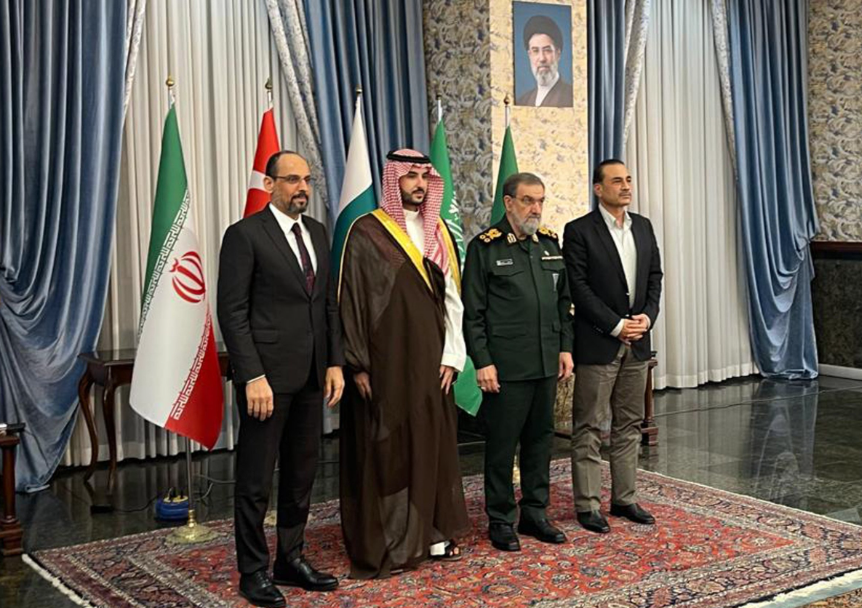
Iran, Saudi Arabia, Türkiye and Pakistan have agreed to continue diplomatic discussions aimed at strengthening regional cooperation and promoting peace and security, following high-level talks in Tehran on October 26.
The agreement comes amid escalating tensions across the Middle East, with Yemen’s Houthi movement launching further attacks on Saudi Arabia and regional powers seeking to prevent the conflict from spreading.
According to a joint statement reported by Iranian state media, the four countries agreed to maintain dialogue and strengthen cooperation on regional peace and security. However, officials have not announced a date or location for the next round of talks.
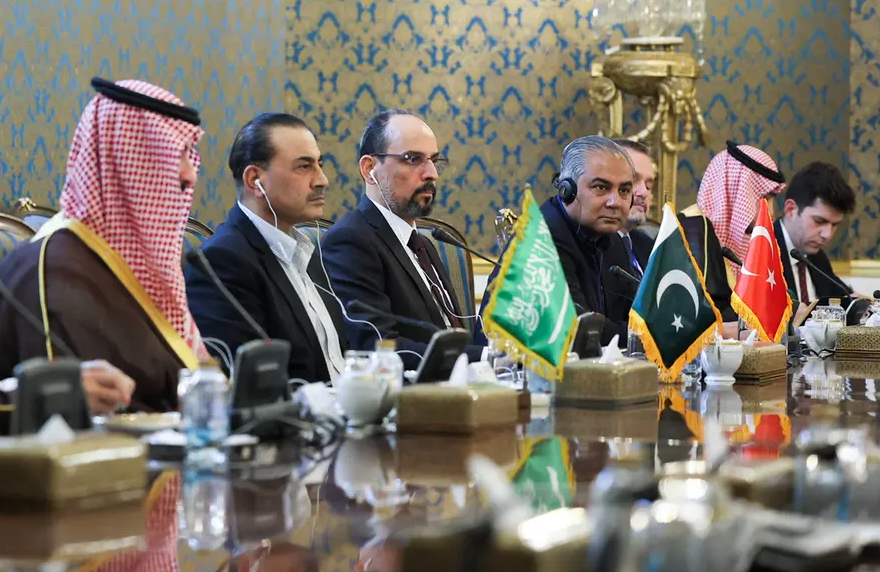
High-Level Talks Held in Tehran
The meeting brought together senior officials from Iran, Saudi Arabia, Türkiye and Pakistan. It marked the first high-level contact between Iran and the three other countries since the outbreak of the US-Israeli war against Iran, which subsequently affected Saudi Arabia and Yemen.
Saudi Arabia was represented by Defence Minister Prince Khalid bin Salman, while Pakistan sent Army Chief Field Marshal Asim Munir. Türkiye was represented by intelligence chief Ibrahim Kalin.
Iranian officials, including President Masoud Pezeshkian and senior national security representatives, also participated in the discussions.
The meeting focused on strengthening regional cooperation and exploring diplomatic options to reduce tensions. The discussions took place against a backdrop of renewed security concerns, including Houthi attacks on Saudi territory and the risk of further confrontation involving Iran, the United States and Israel.
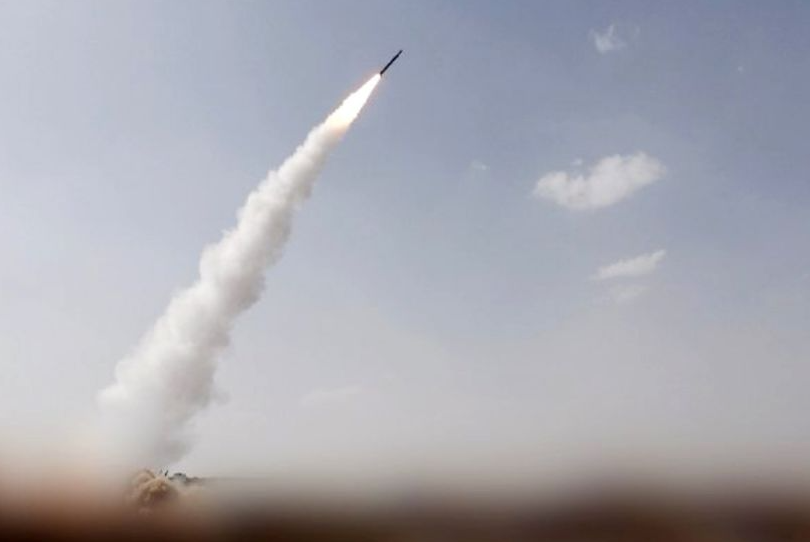
Houthi Missile and Drone Attacks Raise Security Concerns
The diplomatic initiative comes as Saudi Arabia faces renewed attacks by Yemen’s Houthi movement.
According to the Saudi-led coalition, air defence systems intercepted three ballistic missiles targeting the kingdom’s Eastern Province and destroyed four drones heading towards southern areas on October 27. The coalition reported no casualties from those interceptions.
The attacks have intensified concerns about the security of Saudi territory, critical infrastructure and regional transport routes.
Saudi Arabia has been involved in the Yemen conflict for years, supporting the internationally recognised Yemeni government against the Houthis. The latest escalation adds another layer of uncertainty to an already volatile regional situation.
Continued missile and drone attacks could also complicate diplomatic efforts to stabilise the region and prevent a broader military confrontation.
Mecca Defence Pact Adds a Regional Dimension
The talks also carry significance because Saudi Arabia, Türkiye and Pakistan signed the Mecca Joint Defence Agreement in August 2026.
The agreement establishes a framework for collective security cooperation among the three countries, treating an armed attack against one member as an attack against all, according to the pact’s published terms.
The participation of these countries in discussions with Iran highlights the importance of regional diplomacy at a time of heightened security threats.
Although the defence pact strengthens cooperation among its signatories, the extent to which it will influence responses to Houthi attacks or wider regional conflicts remains uncertain.
The Tehran meeting therefore represents an opportunity to explore diplomatic solutions while the countries assess their shared security concerns.
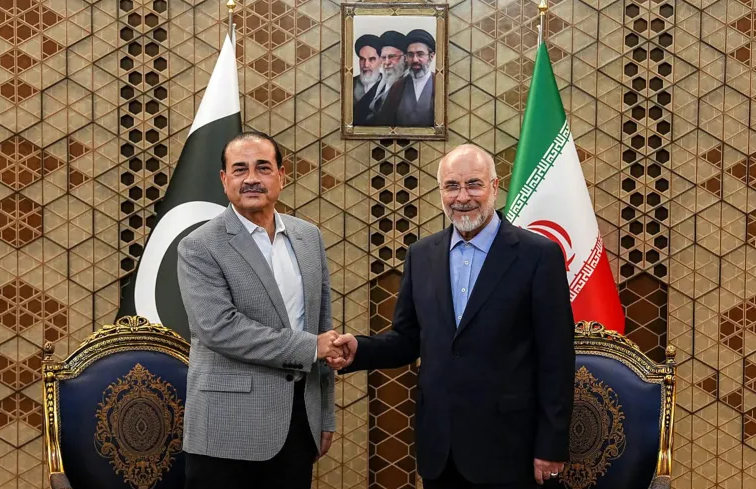
Pakistan and Türkiye Play Key Diplomatic Roles
Pakistan and Türkiye could play important roles in efforts to reduce tensions between regional powers.
Pakistan has been involved in diplomatic contacts between Washington and Tehran, while Türkiye has called for restraint and warned against actions that could trigger another cycle of violence.
Their engagement with Iran and Saudi Arabia provides a channel for dialogue at a time when military escalation could have consequences extending beyond the immediate conflict zones.
The four countries’ decision to continue discussions signals a willingness to maintain communication despite their different strategic interests.
However, diplomatic engagement alone may not be sufficient to stop the attacks or resolve the underlying disputes. Progress will depend on whether the parties can agree on practical measures to reduce hostilities and improve regional security.
Regional Stability Remains Uncertain
The latest agreement to continue talks comes as tensions involving Iran, Israel, the United States and Yemen’s Houthis create growing uncertainty across the Middle East.
The security situation also has implications for international shipping, energy infrastructure and trade routes connecting the Gulf with global markets.
For Saudi Arabia, preventing further attacks remains a key concern. For Iran and its neighbours, the challenge is to manage competing security interests without triggering a wider conflict.
While the Tehran meeting has opened the door to further diplomatic engagement, its immediate impact remains unclear. The next round of discussions and developments on the ground will help determine whether the four countries can turn their commitment to dialogue into meaningful steps towards de-escalation.
For now, the agreement to continue talks offers a diplomatic opening amid rising regional tensions, but significant obstacles remain before lasting stability can be achieved.
Source references: The article is based on Al Jazeera’s original report and related coverage of the Tehran meeting and regional security agreement.