

The best discounts this week
Every week you can find the best discounts here.


Premium Air 6 ANC ENC Wireless Earbuds – Noise Cancelling


6-Piece Drawer Organizer Set


US Midterms 2026: 4 Ways Democrats Could Challenge Trump
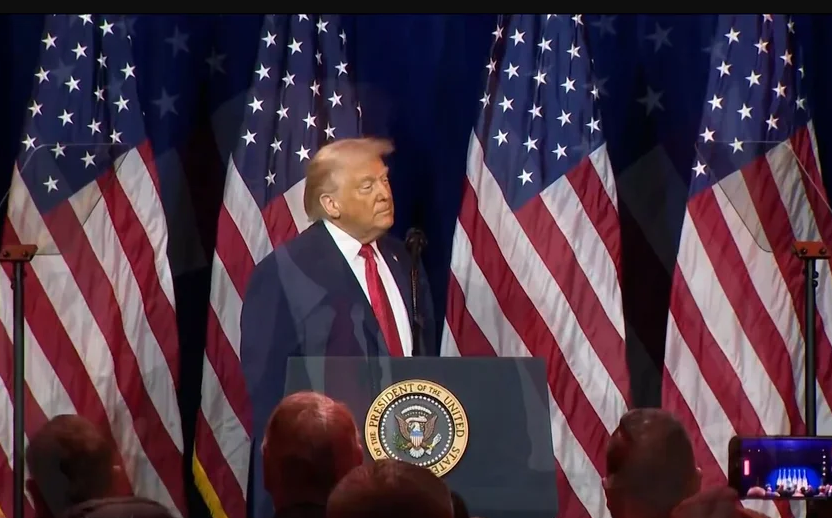
US Midterms 2026: How a Democratic Congress Could Reshape Trump’s Foreign Policy
The US midterm elections on November 3, 2026, could become a major turning point for President Donald Trump’s foreign policy, with control of Congress potentially shifting toward Democrats. From the ongoing war with Iran to military assistance for Ukraine, US support for Israel and rising defence expenditure, the election outcome could determine how much freedom the White House has to pursue its international agenda.
If Democrats secure a majority in the House of Representatives or the Senate, they would gain new opportunities to scrutinise the administration’s decisions, challenge spending priorities and push for greater congressional oversight of military operations. However, a Democratic victory would not automatically translate into a complete reversal of Trump’s foreign policy.
US Midterm Elections 2026: Why Foreign Policy Is at Stake
The November 3 elections will determine the balance of power in Congress during the final two years of Trump’s current presidential term. Although midterm elections traditionally focus on domestic concerns, international conflicts and their economic consequences have become increasingly important to American voters.
The war with Iran, higher energy costs, uncertainty surrounding Ukraine and disagreements over US military assistance to Israel have intensified the political debate over Washington’s global role.
A Democratic majority in either congressional chamber could create significant obstacles for the administration. Committee investigations, public hearings, legislative proposals and control over government funding would give opposition lawmakers tools to challenge decisions that have largely remained under Republican control.
Nevertheless, the president would retain substantial authority over diplomacy, military operations and national security. The extent of any policy change would depend on the size of the Democratic majority and whether lawmakers could secure bipartisan support.

1. Iran War: Could Democrats Challenge Trump’s Military Strategy?
The conflict with Iran is likely to be one of the most contentious foreign policy issues facing the next Congress. Democrats have questioned the legal basis for military action without explicit congressional authorisation and have called for greater oversight of the administration’s war strategy.
A Democratic-controlled House or Senate could intensify pressure on the White House by demanding classified briefings, public testimony from senior officials and detailed explanations of the financial and military costs of the conflict.
Congress could also consider legislation restricting funding for military operations unless the administration obtains the necessary authorisation. Such efforts, however, would face significant obstacles if Trump vetoes legislation designed to limit his authority.
Overriding a presidential veto requires a two-thirds majority in both chambers, making bipartisan support essential for any measure intended to force a major policy change.
The political consequences could extend beyond Washington. Continued military involvement, energy-market instability and concerns about the cost of living may influence public perceptions of the administration’s wider foreign policy agenda.
For Democrats, the challenge will be to translate opposition to the war into effective congressional action without creating further uncertainty over US security commitments.
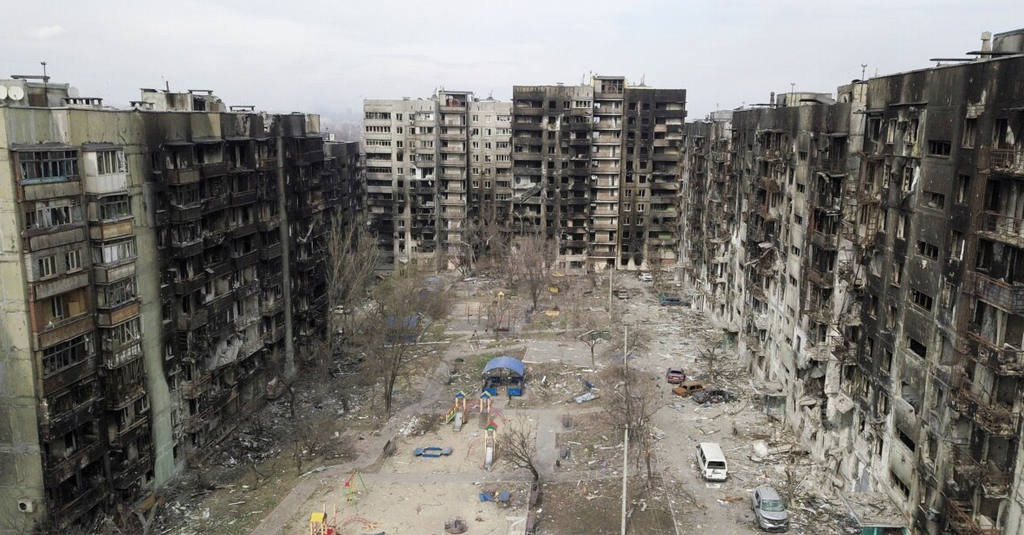
2. Ukraine: Could Congress Revive American Military Assistance?
US support for Ukraine could become another major area of confrontation if Democrats gain control of Congress.
The Trump administration’s approach to the war between Russia and Ukraine has differed from the policies pursued under the previous administration. Disagreements over military assistance, sanctions against Moscow and the direction of peace negotiations have raised questions about the future of American support for Kyiv.
A Democratic majority could bring Ukraine assistance back onto the congressional agenda. Lawmakers could introduce new funding measures, push for additional military support and challenge decisions that ease restrictions on Russian energy exports.
The issue could also attract Republican support. Some lawmakers in the party favour maintaining assistance to Ukraine and preventing Russia from benefiting from divisions among Western allies.
This creates the possibility of bipartisan coalitions, particularly if proposed legislation addresses concerns shared by both parties.
However, securing funding would not necessarily guarantee that assistance reaches Ukraine quickly. The administration would retain influence over implementation, while disagreements over the scale and conditions of support could complicate negotiations.
For Kyiv, the midterm elections could therefore become an important test of whether congressional support for Ukraine remains strong enough to influence American policy.
3. Israel: Growing Democratic Divisions Could Reshape Military Aid
US military assistance to Israel is another issue likely to receive greater scrutiny from a Democratic-controlled Congress.
Debate within the Democratic Party has intensified over Israel’s military operations in Gaza, civilian casualties, conditions in the occupied West Bank and the long-term direction of US-Israel relations.
Progressive lawmakers have called for stronger restrictions on weapons transfers, while more centrist Democrats continue to support Israel’s security but have expressed interest in greater accountability over how American weapons are used.
A Democratic majority could pursue legislation requiring additional reporting on military assistance, assessments of humanitarian conditions and restrictions on specific categories of weapons.
Such measures could introduce conditions into the security relationship without necessarily ending military cooperation altogether.
A complete cutoff of aid would be more difficult to achieve because Democrats remain divided over the appropriate approach. Concerns about regional security, Iran and Israel’s right to defend itself would continue to influence congressional decisions.
The outcome could instead be a more conditional approach to military assistance, with greater emphasis on civilian protection, humanitarian access and compliance with US law.
Any significant change would have implications beyond bilateral relations. It could influence regional diplomacy, Washington’s relationships with Arab partners and perceptions of American leadership in the Middle East.

4. Defence Spending and Foreign Aid: A Battle Over Washington’s Priorities
The fourth major area of potential change is the federal budget.
Trump has advocated a substantial increase in defence spending, proposing a military budget of approximately $1.5 trillion. The administration’s approach has also involved reductions or cancellations affecting several foreign assistance programmes.
Democrats are likely to challenge the scale of the proposed defence expansion, particularly if they believe the administration has not adequately consulted Congress over military operations and spending commitments.
A Democratic-controlled chamber could use budget negotiations, committee oversight and appropriations legislation to question the administration’s priorities.
Foreign aid could become a parallel battleground. Democratic lawmakers may seek to restore funding for humanitarian assistance, diplomatic programmes, international development and multilateral institutions.
Supporters of these programmes argue that diplomacy and development assistance are important instruments of American influence, helping address humanitarian emergencies, strengthen partnerships and prevent conflicts from escalating.
However, restoring funding would require more than political opposition to the administration. Congress would need to approve appropriate legislation, secure sufficient votes and address any executive resistance to implementing spending decisions.
The resulting struggle could shape not only the level of American military expenditure but also the balance between military power, diplomacy and international development.
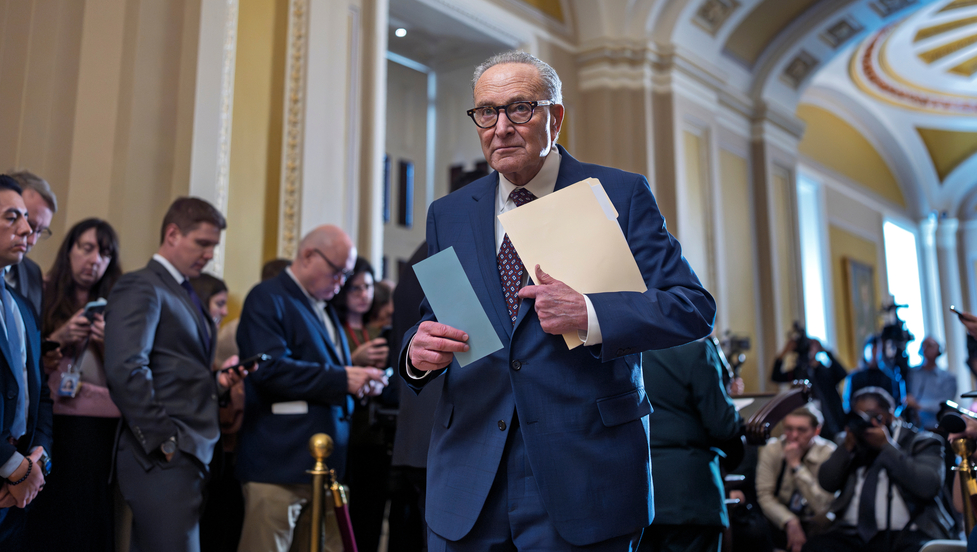
What Could Prevent Democrats From Changing Trump’s Foreign Policy?
Even if Democrats win control of one or both chambers, their ability to reverse the president’s policies would remain limited.
The president retains considerable authority over foreign affairs and military operations. Legislation challenging administration decisions could face a veto, while overriding that veto would require two-thirds majorities in both the House and Senate.
Democrats may also struggle to maintain unity on issues such as Israel, where progressive and centrist lawmakers hold different positions. On Iran and Ukraine, the level of Republican support would be critical to determining whether proposed restrictions or new assistance packages could become law.
Nevertheless, congressional control carries powers beyond passing legislation. Committee chairs can initiate investigations, demand documents, summon administration officials and bring controversial decisions into the public spotlight.
Control over the legislative agenda can also determine which proposals receive votes and which remain stalled.
These powers could make it harder for the White House to pursue its agenda without political scrutiny, even if Democrats cannot compel an immediate change in policy.
Why the November 3 Elections Matter Beyond Domestic Politics
The 2026 midterms could influence the direction of American foreign policy well beyond the remainder of Trump’s presidency.
For US allies, the result may offer clues about the durability of Washington’s commitments to European security, Israel and international institutions. For adversaries, it could reveal how much domestic political opposition the administration faces when making decisions about military operations and sanctions.
The election could also affect diplomatic calculations surrounding Iran and Ukraine, particularly if congressional debates create uncertainty about future funding or the political sustainability of current policies.
Yet it would be premature to assume that a Democratic victory would automatically produce a more restrained American foreign policy. Congressional opposition could constrain the administration in some areas while encouraging a more confrontational political approach in others.
The immediate impact would depend on the election results, the margins in each chamber and the willingness of Republicans and Democrats to cooperate on individual issues.
Conclusion: A Democratic Congress Could Increase Pressure on Trump
The November 3, 2026, US midterm elections could significantly alter the political environment surrounding Trump’s foreign policy. Iran, Ukraine, Israel, defence expenditure and foreign aid are likely to feature prominently in the struggle over congressional authority and executive power.
A Democratic victory would create opportunities for tougher oversight, new funding proposals and renewed debates over military intervention and international commitments. It would not, however, guarantee an end to the Iran war, an immediate restoration of Ukraine aid or a fundamental break in US policy towards Israel.
The central question is whether Democrats can turn control of Congress into effective leverage over a president who retains broad executive powers.
Whatever the result, the election will help determine how Washington balances military action, diplomacy, international assistance and congressional accountability during the final two years of Trump’s current term.