
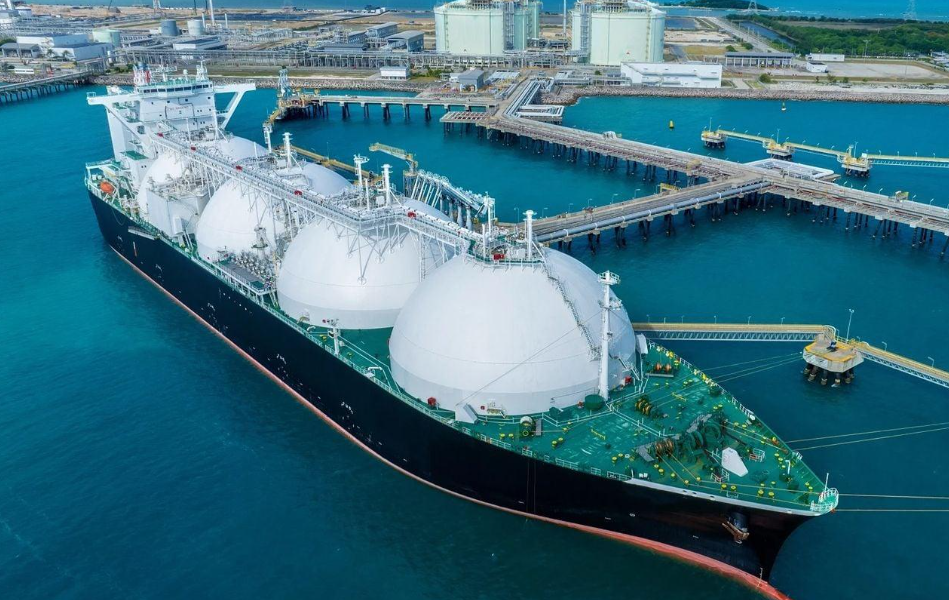
Pakistan Seeks Cheaper LNG Imports Through Qatar Deal Revision
Pakistan is moving towards a possible restructuring of its long-term liquefied natural gas (LNG) supply arrangements with Qatar as the country looks for ways to control import expenses and address changing domestic gas demand.
The proposed changes could bring adjustments to LNG pricing and delivery volumes, offering Pakistan greater flexibility in managing its energy requirements. However, the revised arrangement still requires government approval before it can be finalized.
Islamabad Pushes for More Affordable Gas Supplies
Pakistan has been reviewing its existing LNG commitments as lower consumption in certain sectors has made it increasingly difficult to manage previously agreed import volumes.
Under the current supply arrangements, Pakistan is committed to receiving around 108 LNG cargoes annually from Qatar. The government is now seeking changes that would bring deliveries closer to actual market requirements.
According to reports published on October 29, 2026, the proposed revision would reduce annual shipments to 66 cargoes. The plan also reportedly includes deferring 210 cargoes over four years after 2031.
The proposed reduction could help ease pressure on Pakistan’s energy procurement system, particularly when domestic demand is insufficient to absorb all contracted supplies.
Revised Pricing Formula Under Discussion
Pricing is another major element of the negotiations between Pakistan and Qatar.
Pakistan had sought a more competitive rate for its imported gas, aiming to reduce the cost of LNG linked to the international Brent crude oil benchmark.
QatarEnergy has reportedly proposed a revised price equivalent to 11.96% of Brent for both existing agreements. This would represent a reduction from the 13.37% formula under the older contract, although it would be higher than the rate currently applicable to the newer agreement.
The financial benefits will depend on the final terms, the amount of gas purchased and future movements in crude oil prices.
For Pakistan, the objective is to secure an arrangement that reduces unnecessary import expenses while maintaining access to dependable LNG supplies.
Lower Gas Consumption Drives Contract Review
Changes in Pakistan’s domestic energy market have increased the need to reassess long-term gas purchase agreements.
Reduced LNG consumption by power plants has contributed to an imbalance between contracted supplies and actual demand. When imported gas exceeds consumption, the country can face additional costs and difficulties in managing surplus volumes.
Pakistan’s existing agreements also contain take-or-pay obligations, which can require payments for contracted quantities even when the gas is not fully used.
To address these challenges, the government has pursued negotiations with QatarEnergy through Pakistan State Oil (PSO), the country’s LNG procurement entity.
The current review follows earlier efforts to adjust deliveries and manage excess supplies. A successful revision could provide greater control over import schedules and help limit the financial risks associated with weaker domestic demand.
Government Decision Will Determine Next Steps
The proposed arrangement is awaiting the necessary approval from Pakistan’s federal government.
Reports indicate that the decision could be made by November 3, 2026. Until approval is granted and the revised terms are formally concluded, the proposed changes should not be treated as a completed agreement.
The negotiations cover two long-term LNG contracts signed in 2016 and 2021, both scheduled to expire in 2031. Their revision could influence Pakistan’s gas procurement strategy for years to come.
Any final decision will need to consider the financial benefits of lower volumes alongside the need to maintain sufficient supplies for electricity generation, industrial activity and other domestic consumers.
What the Proposed Deal Could Mean for Pakistan
A revised agreement could offer several potential advantages for Pakistan’s energy sector.
Lower annual cargo commitments may help reduce the burden of excess supplies, while changes to the pricing formula could improve the economics of LNG imports under the older contract.
Greater flexibility would also help procurement authorities respond to shifts in domestic demand rather than relying entirely on previously agreed delivery schedules.
However, reducing long-term imports carries potential risks. If consumption increases or international supply becomes constrained, Pakistan may need to purchase additional LNG from the spot market, where prices can fluctuate considerably.
The overall benefit will therefore depend on the balance between contract pricing, delivery volumes and the availability of alternative energy sources.
Pakistan Aims to Improve Energy Procurement
The ongoing discussions with Qatar reflect Pakistan’s broader effort to make its energy procurement arrangements more responsive to economic and market conditions.
Long-term LNG contracts provide a degree of supply certainty, but inflexible purchase obligations can become costly when demand patterns change. Revising these commitments could help Pakistan manage its energy budget more effectively while preserving an established relationship with a major LNG supplier.
The final outcome will be important for Pakistan’s gas market, power generation costs and wider energy security.
For now, attention remains on the government’s decision and whether the proposed pricing and delivery changes can be converted into a finalized agreement.
If approved on favorable terms, the revised arrangement could give Pakistan greater flexibility over LNG imports and help reduce the financial pressure created by surplus gas supplies.