The best discounts this week
Every week you can find the best discounts here.

Premium Air 6 ANC ENC Wireless Earbuds – Noise Cancelling


6-Piece Drawer Organizer Set


Premium Rolex Bracelets for Men
Iran Warns of Border Closure as Trade Dispute With Pakistan Continues
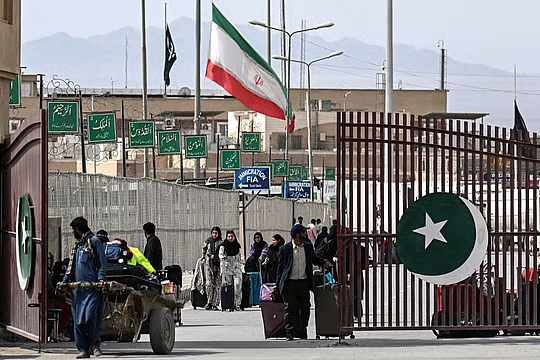
Iran has warned that it could shut its side of the border with Pakistan if restrictions on Iranian trucks entering Pakistan continue, raising concerns over cross-border trade and transportation.
An Iranian lawmaker has warned that Tehran may take further action over the ongoing disruption of commercial traffic between Iran and Pakistan. The warning comes as freight vehicles remain stranded at border crossings following the suspension of trade operations.
Fadahossein Maleki, head of the Iran-Pakistan Parliamentary Friendship Group, said the border situation remained unresolved, with traffic arrangements reportedly allowing some trucks to enter Iran from Pakistan while vehicles travelling in the opposite direction continued to face restrictions.
Speaking to Iran’s ILNA news agency, Maleki indicated that Iran could close its side of the border if the situation did not improve.
Pakistan-Iran Border Restrictions Disrupt Trade
The restrictions have affected commercial movement through key border crossings, including Taftan and Gabd-Rimdan in Balochistan. The disruption has left freight vehicles carrying goods waiting for clearance, creating difficulties for traders and transport operators.
Pakistan has cited security concerns, border management and efforts to prevent smuggling as reasons for its temporary restrictions. Iranian officials, meanwhile, have described the disruption as temporary and linked it to technical issues and precautionary measures.
The differing explanations highlight the challenges facing authorities as they work to restore normal commercial movement between the two neighbouring countries.
Iranian Official Raises Concerns Over Unequal Border Movement
Maleki said he had followed up with officials in Iran’s Sistan and Baluchestan region regarding the movement of stranded trucks. According to his account, vehicles entering Iran from Pakistan were being allowed through, while the movement of trucks from Iran into Pakistan remained restricted.
He also said he had discussed the matter with Pakistan’s army chief, Field Marshal Asim Munir, during Munir’s visit to Tehran. Maleki stated that Pakistani officials had attributed the restrictions to a technical problem.
The situation remains sensitive because any prolonged interruption could affect businesses that depend on regular transportation between the two countries.
Economic Impact and Regional Implications
Pakistan and Iran share an extensive land border that supports trade in food products, fuel and other commodities. Delays at major crossings can increase transportation costs, disrupt supply chains and create uncertainty for importers and exporters.
A prolonged shutdown could also complicate efforts to strengthen economic cooperation and improve coordination on border security. Traders on both sides are likely to watch closely for official announcements regarding the reopening of commercial routes.
What Happens Next?
The immediate outlook depends on whether Pakistani and Iranian authorities can resolve the operational and administrative issues affecting cross-border movement. Discussions between the two sides could help restore trade, although the timing of a full resumption remains uncertain.
For now, the Iranian lawmaker’s warning signals growing frustration over the restrictions. However, his statement should not be interpreted as confirmation that Iran has formally closed its side of the border.
Source: Asharq Al-Awsat, with related reporting from Al Jazeera and Dawn.
Disclaimer: This report reflects information available at the time of writing. Border conditions and official positions may change as developments continue.