
Seemingly Harmless Insects You Should Never Pick Up
Some insects look small, colorful, and harmless, but appearances can be deceiving. Certain species have painful stings, irritating hairs, or chemical defenses that can cause unpleasant reactions. Here are eight insects worth admiring from a safe distance.
1. Puss Caterpillar
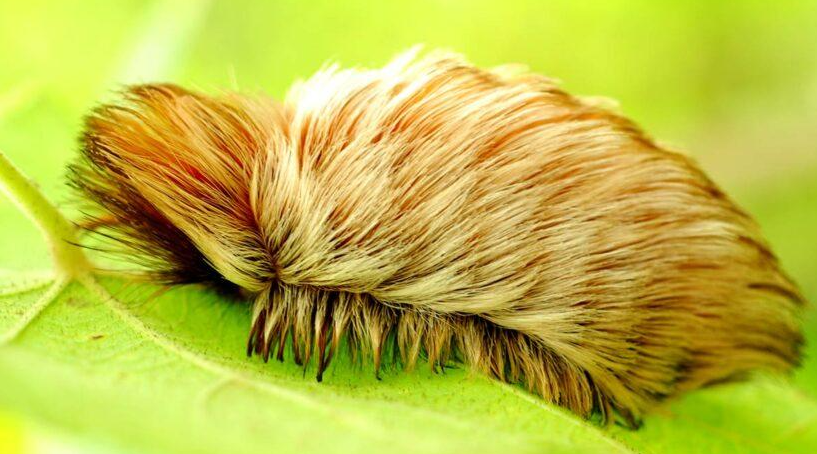
The puss caterpillar (Megalopyge opercularis) is one of the most dangerous-looking harmless-looking creatures in nature. Its soft, furry body may resemble a tiny animal, but beneath its silky hairs are venomous spines. Contact with these spines can cause intense burning pain, swelling, redness, and sometimes nausea. It is commonly found on trees and shrubs, including oak and elm. Never try to pick up this caterpillar, even if it looks soft and friendly.
2. Blister Beetle

Blister beetles belong to the family Meloidae and are known for releasing a defensive chemical called cantharidin. These beetles come in different colors, including black, yellow, orange, and metallic shades. When crushed or handled, they can release this irritating substance, which may cause painful blisters on human skin. Some species are also toxic if accidentally swallowed. Their colorful appearance makes them interesting to observe, but they should never be handled carelessly.
3. Assassin Bug

Assassin bugs are predatory insects that help control populations of other insects in gardens and natural environments. They use a sharp, needle-like mouthpart to inject saliva into their prey. Although they generally avoid humans, they can deliver a painful bite when threatened or picked up. Some species, including certain kissing bugs, can also transmit the parasite responsible for Chagas disease. It is best to admire these insects without touching them.
4. Fire Ant

Fire ants are small reddish-brown insects that live in organized colonies and build noticeable soil mounds. Despite their tiny size, they are known for their aggressive colony defense. When disturbed, worker ants can bite the skin to hold on and sting repeatedly, injecting venom that causes burning pain, itching, and small white pustules. Multiple stings can be particularly uncomfortable, and some people may experience serious allergic reactions. Avoid stepping on or disturbing fire ant nests.
5. Monarch Caterpillar

The monarch caterpillar (Danaus plexippus) is easily recognized by its bright yellow, black, and white stripes. It feeds primarily on milkweed plants and obtains protective chemicals called cardenolides from its food. These chemicals help protect the caterpillar and adult butterfly from many predators. Unlike stinging caterpillars, monarch caterpillars do not have venomous spines. Their striking appearance is a warning to predators rather than a sign that they sting humans. It is still best to observe wildlife gently without unnecessary handling.
6. Spongy Moth Caterpillar

The spongy moth caterpillar (Lymantria dispar) is a hairy insect commonly identified by its dark body and distinctive rows of blue and red spots along its back. It feeds on the leaves of many trees and can cause significant damage during large population outbreaks. Its tiny hairs may irritate human skin, especially in sensitive individuals. Although it does not sting like a wasp, direct contact can lead to itching and skin irritation. Avoid touching these caterpillars with bare hands.
7. Velvet Ant

The velvet ant is not actually an ant but a type of wingless female wasp. Its body is covered in dense, velvety hair and often displays striking red, orange, or black colors. These insects usually move across the ground while searching for suitable places to lay their eggs. Although they may look slow and harmless, females have a powerful sting that can cause intense pain. They generally sting only when handled or trapped, so it is best to leave them alone.
8. Io Moth Caterpillar
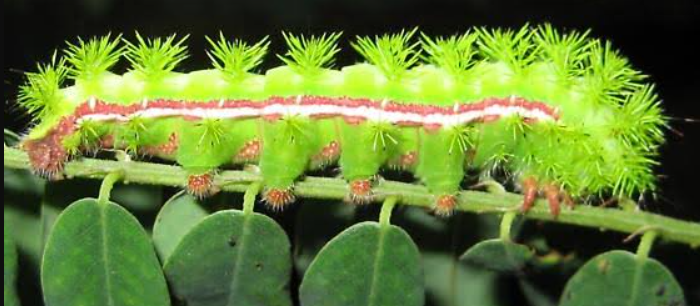
The Io moth caterpillar (Automeris io) is a bright green caterpillar with colorful stripes and clusters of sharp, venomous spines along its body. These spines serve as a natural defense against predators. When a person accidentally touches them, they can break off in the skin and release toxins, causing burning pain, redness, itching, and swelling. The caterpillar eventually develops into a beautiful moth with distinctive eyespots on its wings. Its colorful appearance should be appreciated from a safe distance.
Not all eight insects are equally dangerous. The puss and Io moth caterpillars have venomous spines, while monarch caterpillars are not considered stinging insects. This distinction will make your article more trustworthy.
For further research, useful references include: