
The best discounts this week
Every week you can find the best discounts here.


Premium Air 6 ANC ENC Wireless Earbuds – Noise Cancelling


6-Piece Drawer Organizer Set


Iran to Hold Security Talks With Saudi Arabia, Türkiye, Pakistan
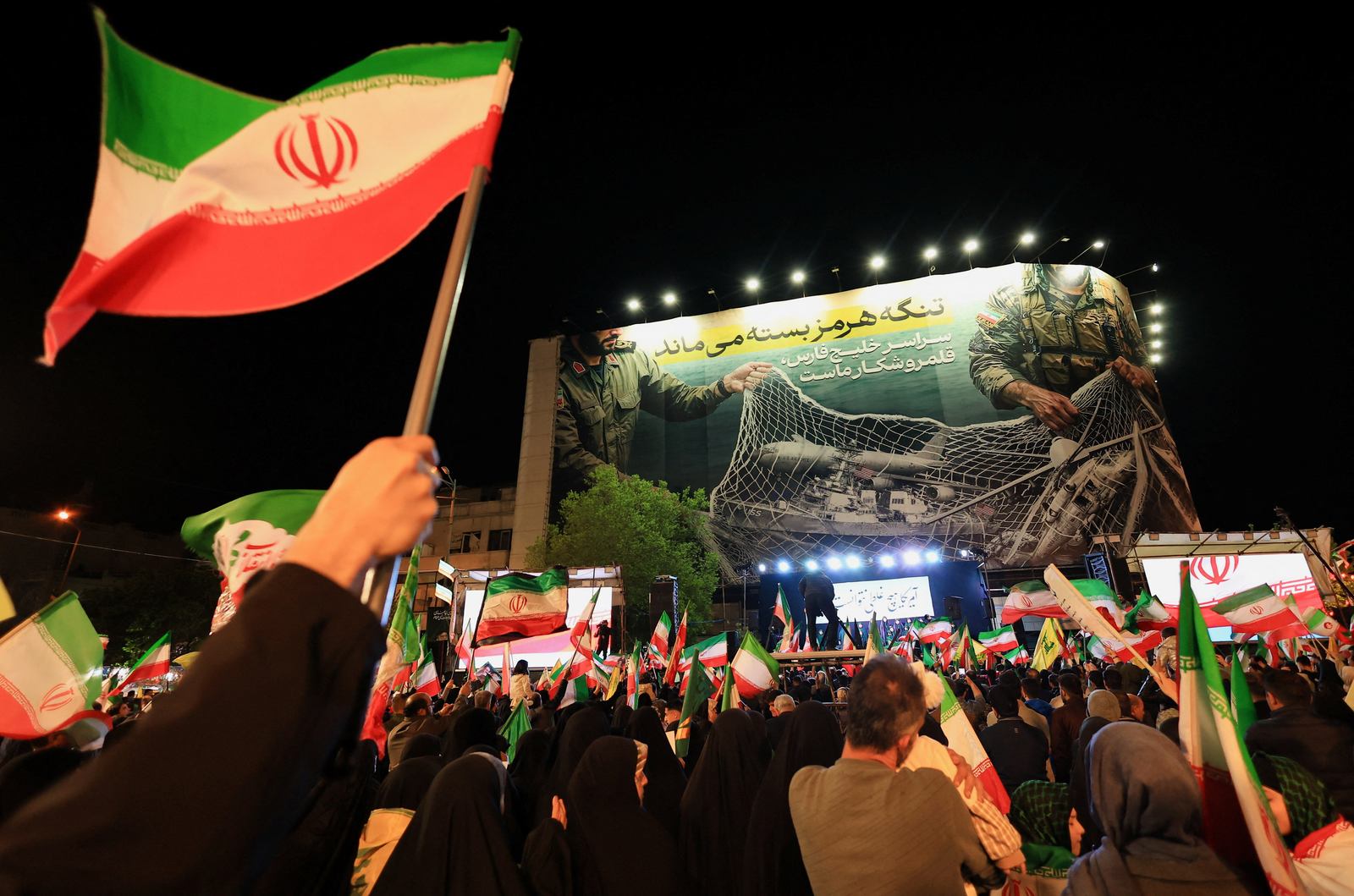
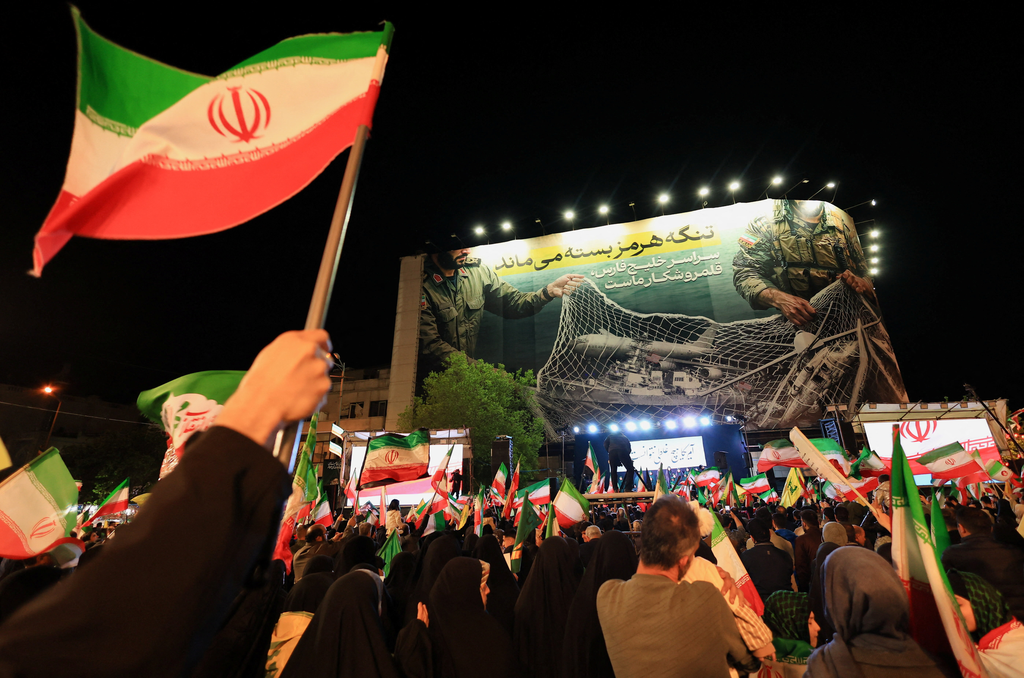
Iran to Hold Regional Security Talks With Saudi Arabia, Türkiye and Pakistan
Iran is set to hold high-level regional security talks in Tehran with representatives from Saudi Arabia, Türkiye and Pakistan on October 26, 2026, as tensions across the Middle East continue to raise concerns about regional stability.
According to reports citing sources familiar with the matter, the discussions will focus on regional security and coordination amid escalating hostilities involving Iran and the growing security challenges facing Saudi Arabia. The planned meeting brings together senior officials from Iran and the three countries linked through the Makkah Joint Defence Agreement.
Saudi Arabia is expected to be represented by Defence Minister Prince Khalid bin Salman, while Pakistan’s delegation will include army chief Field Marshal Asim Munir. Türkiye’s intelligence chief, Ibrahim Kalin, is also expected to participate in consultations with Iran’s Supreme National Security Council.
Regional Security Concerns Drive Talks
The meeting comes amid heightened tensions following missile and drone attacks targeting Saudi Arabia by Yemen’s Iran-aligned Houthi movement. Saudi air defences intercepted another wave of projectiles on October 25, highlighting the continuing security risks facing the kingdom.
The situation has increased the urgency of diplomatic engagement among regional powers, particularly as the wider conflict involving Iran, the United States and Israel continues to affect the Middle East.
The planned consultations are expected to provide an opportunity for officials to discuss security concerns, regional coordination and possible avenues for reducing tensions. However, the precise agenda and any potential outcomes have not yet been publicly confirmed.
Makkah Joint Defence Agreement in Focus
The talks also come against the backdrop of the Makkah Joint Defence Agreement, signed by Saudi Arabia, Türkiye and Pakistan in August 2026. The agreement establishes a collective defence framework under which an armed attack against one member is treated as an attack against all.
The three countries have since taken steps to strengthen cooperation through political consultations, defence coordination and arrangements for the rapid deployment of agreed military capabilities.
At an emergency meeting in Riyadh earlier in October, representatives of the three countries reaffirmed their commitment to collective defence and agreed to move forward with implementing the pact’s security provisions.
Pakistan has approved the agreement, while Türkiye’s parliamentary ratification process remains underway.
Although the defence arrangement strengthens ties among its three signatories, the planned meeting with Iran provides an additional channel for direct engagement between Tehran and the members of the regional bloc.
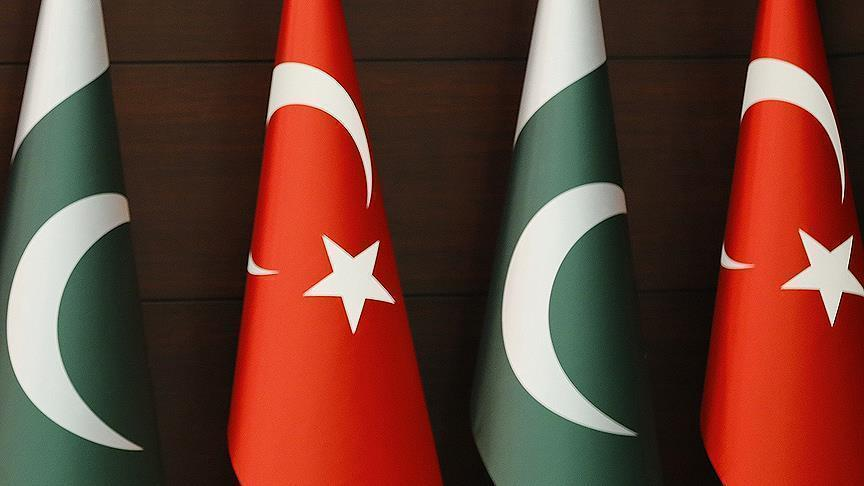
Pakistan and Türkiye’s Diplomatic Roles
Pakistan has played an important intermediary role in efforts to maintain communication between Iran and the United States. Islamabad has previously hosted diplomatic engagements aimed at securing a negotiated settlement, although earlier efforts have faced setbacks as fighting resumed.
Pakistan’s participation in the Tehran meeting could therefore be significant in maintaining regional communication and exploring ways to prevent further escalation.
Türkiye, meanwhile, remains an influential regional actor with security and diplomatic interests across the Middle East. Its participation through intelligence-level representation signals the importance of security coordination at a time of heightened regional uncertainty.
Saudi Arabia’s involvement is particularly significant given the recent attacks on its territory and the kingdom’s commitment to the collective defence framework.
Regional Stability Remains Uncertain
The planned talks reflect the complex diplomatic environment confronting Middle Eastern governments as they balance defence commitments with the need to contain a broader regional conflict.
While the meeting could create an opportunity for dialogue between Iran and the three countries, its practical impact will depend on whether officials can identify areas of common interest and establish mechanisms to address immediate security concerns.
For now, the consultations are expected to be an important test of regional diplomacy amid persistent hostilities and uncertainty over the wider conflict.
Source: Reuters reporting and official statements from Pakistan’s Ministry of Foreign Affairs.